

Last Updated: November 19, 2026
Quick Summary
The best grooming tips for long haired cats are to brush every day or two in short, calm sessions rather than one long session. Use a slicker brush to lift loose fur from the topcoat, then a wide-toothed metal comb to check the undercoat for tangles.
- Work front to back: back, flanks and legs first, then belly and hindquarters.
- Stop sessions before your cat gets restless, starting when it is sleepy or relaxed.
- Never cut a mat out with scissors because cat skin is thin and loose.
- Tease mats loose in stages from the outer edge with a wide-toothed comb.
- Stop if a mat sits tight against the skin, feels hot, or the skin looks sore.
Table of Contents
- Grooming Tips for Long Haired Cats: Brushing Routine and Tools
- How to Reduce Cat Stress During Grooming
- How to Remove Mats From Cat Fur Safely
- Frequently Asked Questions
Grooming Tips for Long Haired Cats: Brushing Routine and Tools
Good grooming tips for long haired cats start with one rule: little and often beats one long session. Brush every day or two in short, calm sessions.
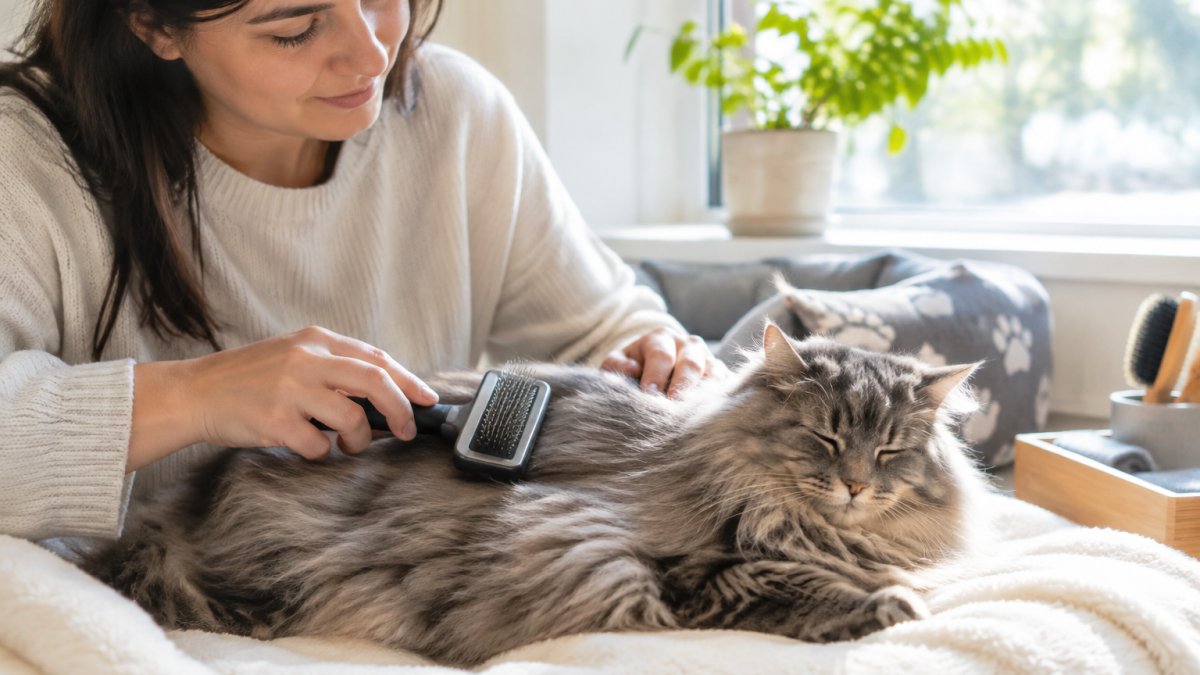
A slicker brush lifts loose fur from the topcoat; a wide-toothed metal comb checks the undercoat for tangles. Our self-cleaning slicker brush pulls trapped hair off the pins with one click.
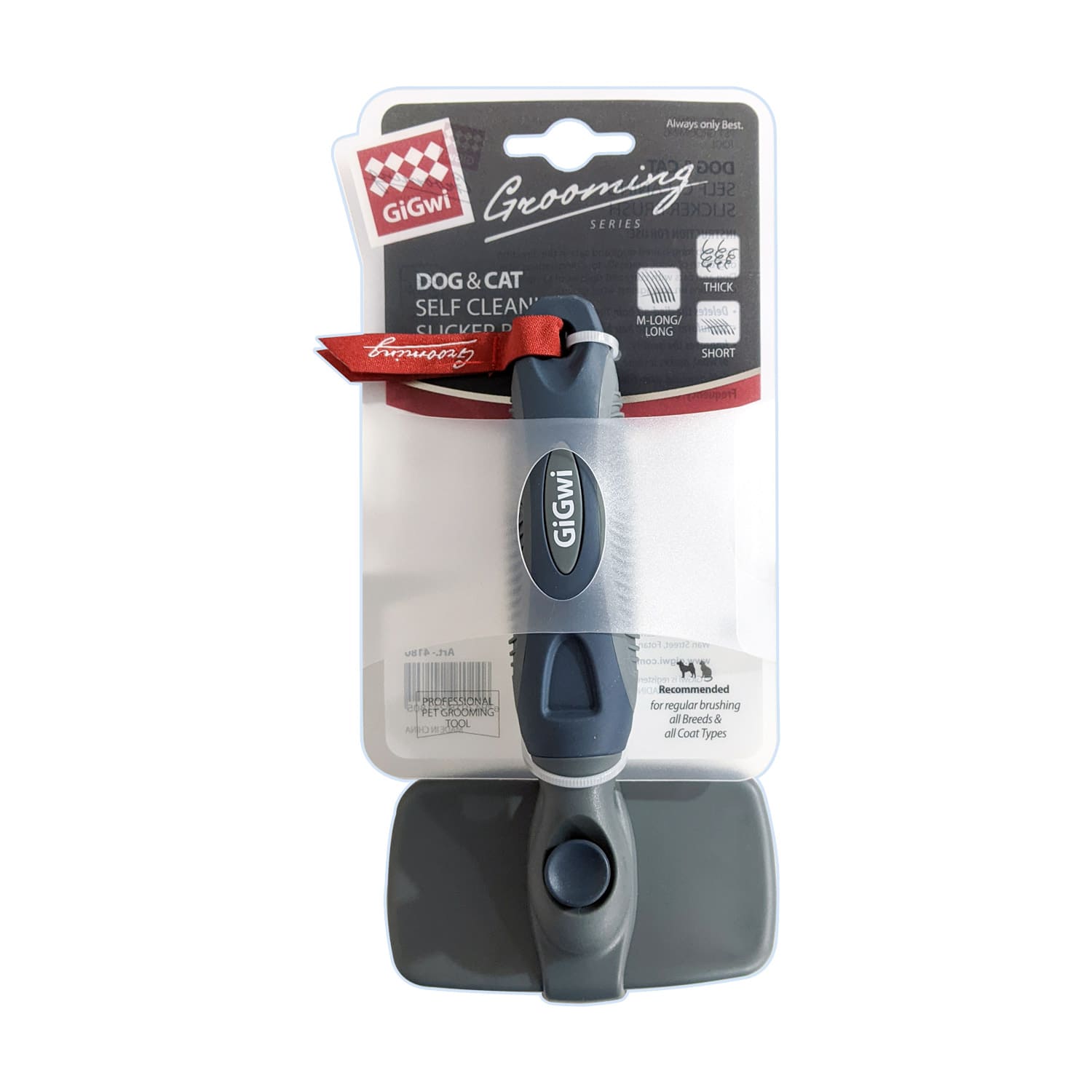
For a deeper look, our guide to the self-cleaning slicker brush for cats walks through pin types and pressure.
Work front to back, following the fur: back, flanks and legs first, then the belly and hindquarters, which tangle fastest.
| Tool | What It Does | When to Use |
|---|---|---|
| Slicker brush | Removes loose fur, smooths topcoat | Daily or every other day |
| Wide-toothed metal comb | Checks undercoat, finds tangles | After brushing |
| Anti-tangle comb | Works through light knots | On problem areas |
How to Reduce Cat Stress During Grooming
Most cats tolerate grooming when sessions stay short and predictable, stopping before your cat gets restless. Start when your cat is sleepy or relaxed; a tense cat will flick its tail, flatten its ears, or pull away.
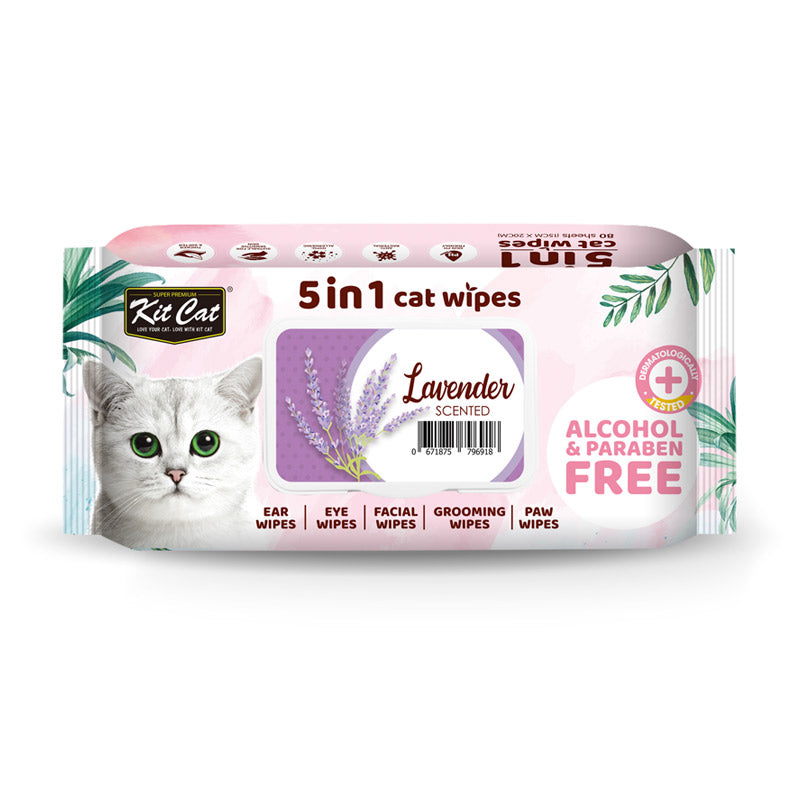
For cats that hate the full routine, our cat wipes offer low-stress spot cleaning around the face and paws. Our guide to a cat carrier for grooming appointments covers calmer travel.
How to Remove Mats From Cat Fur Safely
Never cut a mat out with scissors, cat skin is thin and loose and folds into the mat, so scissors cut skin far more often than owners expect.
Work mats loose in stages: hold the mat at the base near the skin, tease the outer edge with a wide-toothed comb, and work outward a few strands at a time. Stop if your cat complains or the skin looks red.
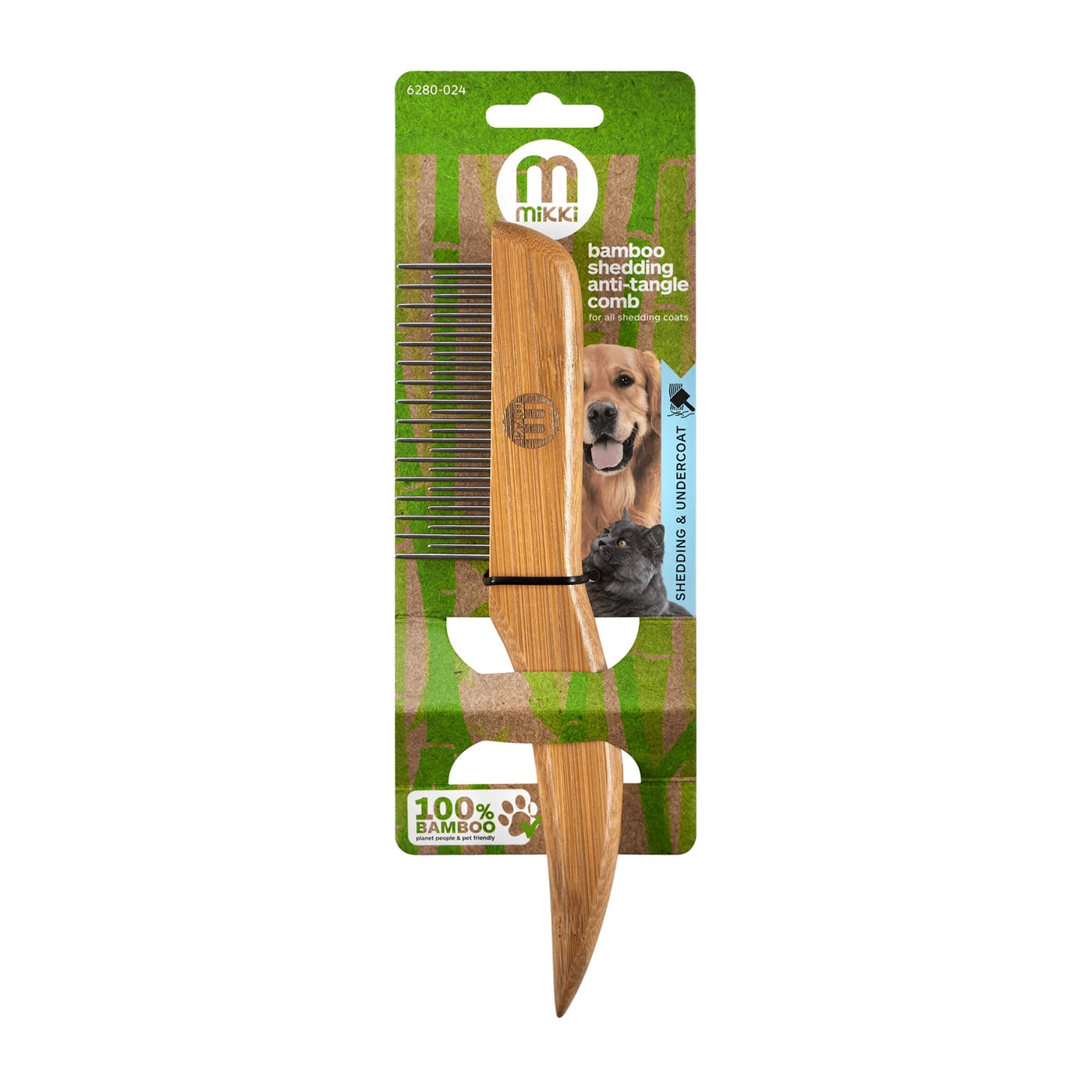
An anti-tangle shedding comb is designed to help with tangles.
If a mat sits tight against the skin, feels hot, or the skin beneath looks sore, stop.
Long-haired coats reward consistency, and some cats need more help than a brush can give. At Paw Atelier in Al Hamidiya, Ajman, we offer professional grooming sessions for cats whose coats have matted or whose owners want a fresh start. Book through WhatsApp for a time that suits you, and pair the visit with our skin and coat dry food and grooming tools. Get started with Paw Atelier and give your cat a coat that stays comfortable between visits.
Frequently Asked Questions
How often should you brush a long-haired cat?
Guidance varies between sources and depends on the individual cat. A practical middle ground is daily brushing for a minute or two, which removes loose fur and prevents tangles before they form. If your cat tolerates less, aim for every other day and always stop if pulling causes discomfort.
What are the best tools for grooming long-haired cats?
A slicker brush removes dead undercoat and loose hair, while a wide-toothed metal comb checks for tangles and smooths the coat. Paw Atelier stocks a self-cleaning slicker brush for AED 43 and a regular comb for AED 35, plus a bamboo anti-tangle shedding comb for AED 34.99. Use the slicker first, then comb through section by section to catch mats early.
How do you remove stubborn mats from a cat's fur?
Work slowly from the edge of the mat inward with a comb or mat splitter, never pulling through the centre. If the mat is tight against the skin, do not cut it with scissors, as cats have thin, loose skin that tears easily.
